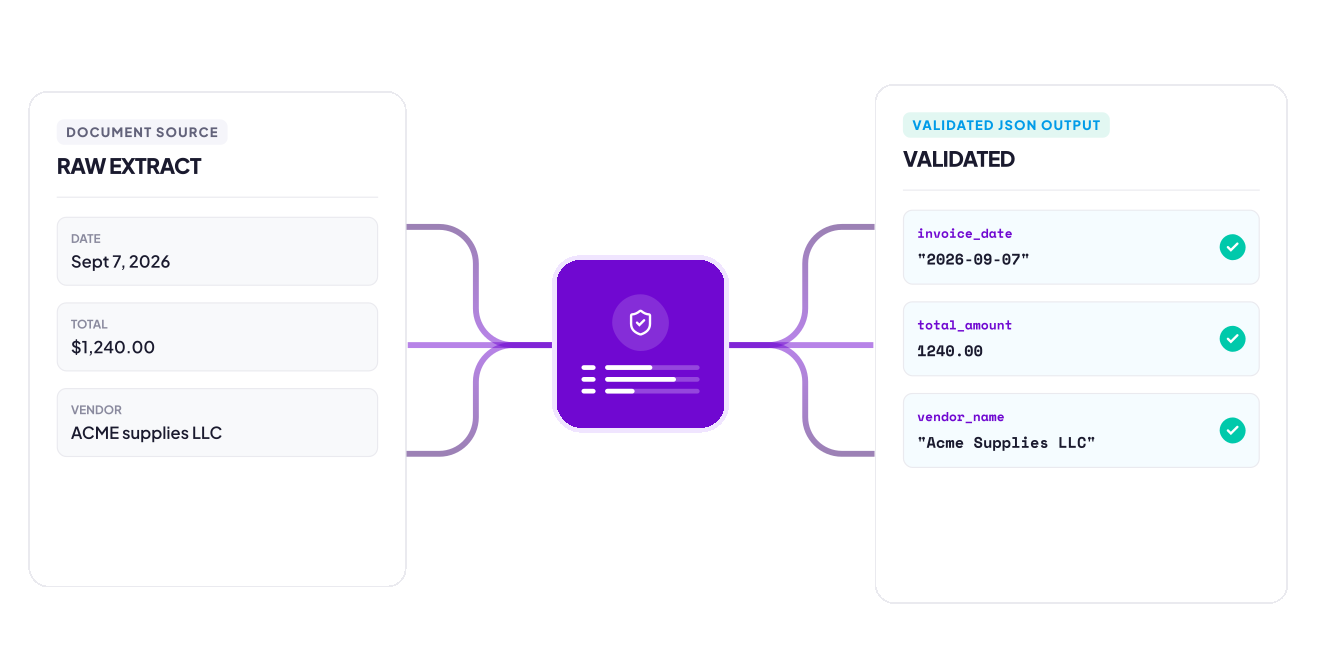
Data normalization converts extracted information into a consistent structure and format. Receiptli standardizes values so they are ready for reliable use across systems and workflows.
PRODUCT · NORMALIZATION & VALIDATION
Turn extracted data into clean, reliable data.
Receiptli normalizes and validates extracted document data before it reaches your systems and workflows. Standardize fields, check important values, and identify exceptions so your structured data is ready for reliable automation.
What's Included
Clean, Consistent Data From Every Document
Different documents can represent the same information in different formats. Receiptli helps map extracted values to your defined schema, standardize important fields, and identify data that needs review before it moves into downstream workflows.
Schema-Based Data Mapping
Map extracted information to the fields your business needs so documents with different layouts produce consistent structured outputs.
Define the fields required for each workflow
Keep extracted data consistent across document types
Field Normalization
Standardize extracted values into formats that are easier for your systems and teams to use.
Normalize dates, numbers, and other field values
Convert inconsistent document data into usable formats
Data Validation
Check extracted information against your defined requirements before it enters downstream processes.
Identify missing or invalid field values
Flag information that requires review or correction
Review & Exception Handling
Give teams visibility into uncertain or problematic data instead of allowing unreliable information to move through automatically.
Highlight low-confidence or questionable fields
Review and correct exceptions before automation
Why Normalization & Validation Matters
Reliable Data Before It Reaches Your Systems
Extraction is only the first step. Receiptli helps ensure that the information extracted from documents is consistent, usable, and ready for the next stage of your workflow.
Consistent Data
Keep information in a predictable structure across different document formats and sources.
Fewer Data Errors
Identify missing, invalid, or uncertain values before they affect downstream processes.
Less Manual Review
Send only exceptions and low-confidence information to your team for review.
Automation-Ready Outputs
Move validated data into APIs, exports, and workflows without repeated manual cleanup.
Extracted (raw)
Date
Sept 7, 2026
Date
07/09/26
Total
$1,240.00
Normalize
& Validate
Normalized Fields
invoice_date
2026-09-07
total_amount
1240.00
vendor_name
Acme Supplies
invoice_number
INV-10482
Validation Status
invoice_number
Present
vendor_name
Present
total_amount
Present
tax_id
Review
Clean, validated data
How It Works
How Receiptli Normalizes & Validates Data
01
01
Map to Your Schema
Extracted information is organized according to the fields and structure defined for your workflow.
Invoice # → invoice_number
Date → invoice_date
Total → total_amount
Vendor → vendor_name
02
02
Normalize Values
Receiptli standardizes extracted values so information from different documents follows a consistent format.
September 7, 2026 → 2026-09-07
$1,240.00 → 1240.00
03
03
Validate Information
Extracted values are checked against the expected structure and requirements.
Invoice Number → Present
Vendor → Present
Total Amount → Missing → Review
04
04
Automate the Next Step
Validated data can continue into exports, APIs, integrations, and automated workflows, while exceptions can be routed for review.
Exports
APIs
Integrations
Workflows
Exception Review
WHAT HAPPENS NEXT
Deliver clean data to your systems.
Once your data is structured, normalized, and validated, Receiptli can deliver it to your systems through APIs, exports, and automated integrations.
Validation helps identify missing, incorrect, or uncertain information before it reaches downstream processes. Receiptli flags data that requires review so unreliable information does not continue automatically.
Yes. Receiptli maps information from different document layouts into a consistent structure. This allows documents from different sources to produce standardized outputs.
Receiptli maps extracted information to the fields defined for your document workflow. These fields can then be checked against your required structure and validation requirements.
Receiptli identifies missing, invalid, or uncertain values and flags them for review. Teams can correct exceptions before the data continues through their workflows.
Yes. Once data is structured and validated, it can move into APIs, exports, integrations, and automated workflows. This reduces the need for manual data cleanup before processing.